
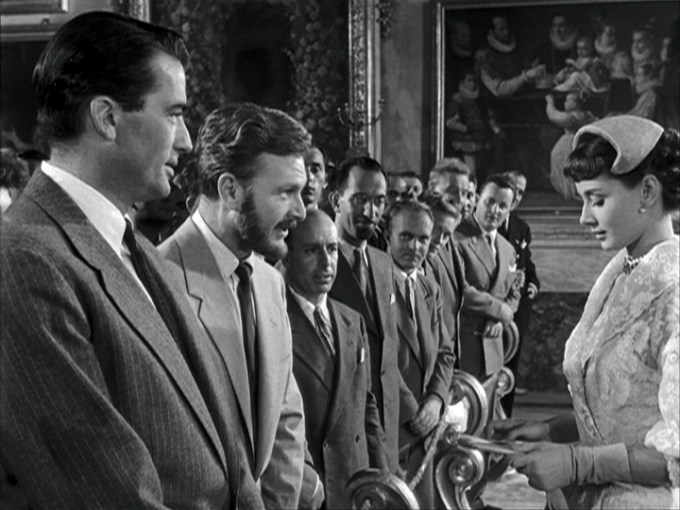
Most actors and actresses have a series of “lesser” films–or at least roles–before their breakout picture. Here are a few who stood out from the very first time on screen.
Click on the film’s title to see a full review on my classic film blog, Classic for a Reason.
Roman Holiday — Audrey Hepburn
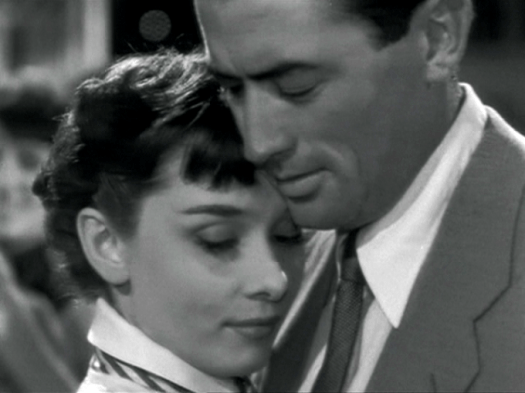
As the beleaguered princess who escapes to find romance with a down-and-out reporter, Audrey Hepburn immediately captivated audiences and set herself up as the style icon she remained for the rest of her life. While plans for the opening credits initially had only Gregory Peck listed as the film’s star, it was at his insistence that producers added Hepburn. She went on to win the Oscar for Best Actress, and followed up this performance with another classic romance, Sabrina.
The Strange Love of Martha Ivers — Kirk Douglas
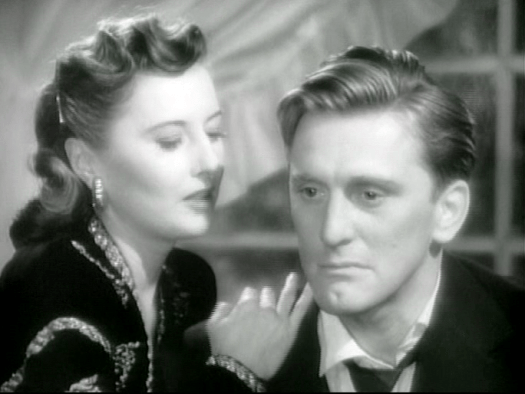
He wasn’t new to acting, having made quite an impression on Broadway, but Kirk Douglas made his screen debut in this stellar film noir about childhood choices and their impact on the course of a life. He got the part when his friend Lauren Bacall recommended him to producer Hal Wallis, and held his own starring opposite Barbara Stanwyck, one of the top leading ladies of the time and an accomplished actress. This film also stars Van Heflin, and its offbeat nature, intriguing story line and moody cinematography make it a film all classic movie fans must see.
Captain Blood — Errol Flynn
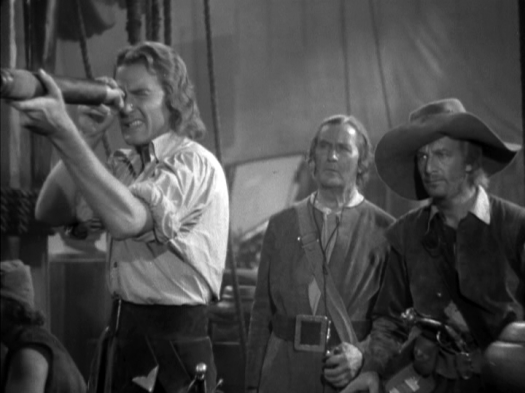
Studio executives took quite a chance casting a complete unknown in this major endeavor, but it paid off from the first moment Errol Flynn appears on screen as the dashing, insolent Captain Blood. He’s joined onscreen by the woman who became his most frequent co-star, the beautiful Olivia de Havilland, and while their romance is central to the plot, this is primarily an action and adventure film, one that set a standard for Flynn’s future films — a standard he surpassed.
To Have and Have Not — Lauren Bacall
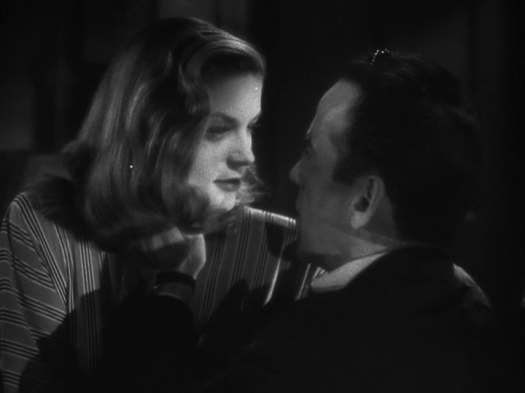
Only 19 at the time this film was made–and by her own admission, a naïve 19–Lauren Bacall, with the help of director Howard Hawks and co-star Humphrey Bogart, makes a seismic impression with her sultry style and provocative lines. Three weeks into filming, Bogie and Bacall began their romance, one of Hollywood’s greatest pairings. But putting all that aside (not that you really can; the real-life intensity is part of what made the on-screen love story so compelling), this is a great movie about love and honor during the horror of war.
The Best Years of Our Lives — Harold Russell
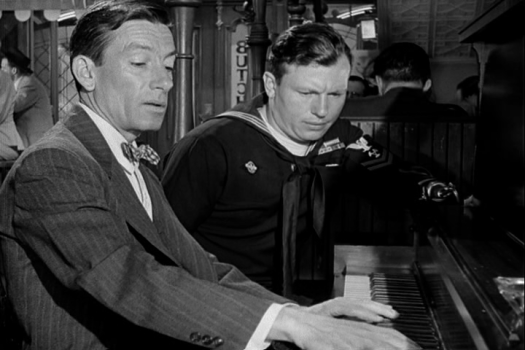
When William Wyler cast Harold Russell, his only screen credit had been from a military training film. Russell, who’d lost both arms up to his elbows during the war, shone bright as the veteran facing real-life prejudices and limitations due his injury. He won an Academy Award (Supporting Actor) for his work, make that two Academy Awards, the only time any actor has won two Oscars for the same performance. He only appeared in two other films after this one, in 1980 and 1987, but don’t let that make you think he was a lesser performer. He did a fine job showing both the highs and lows of his character’s return home. Didn’t hurt that he had such a stellar cast to support him in his work, along with a strong script, fantastic director…one of the greatest films of the era.



 It reminded me of a close friend’s experience with bigotry after she had a liver transplant. Nurses and others on the hospital staff were abrupt and, on occasion, downright rude. Finally, she asked her doctor to please note her transplant was necessary due to an auto-immune disorder, not because of substance abuse. The doctor wrote AUTOIMMUNE DISEASE in big letters on her chart, and the staff turned around in their judgmental attitudes. Jean was disgusted.
 I respect those who are gracious enough to give those with mental illness the room they need to deal with their disease. One of my closest friends has two sisters diagnosed with bipolar disorder, at different levels of severity. The oldest sister has a difficult time functioning in society. With the help of family, she’s chosen to live in a halfway house in a remote area.


You must be logged in to post a comment.